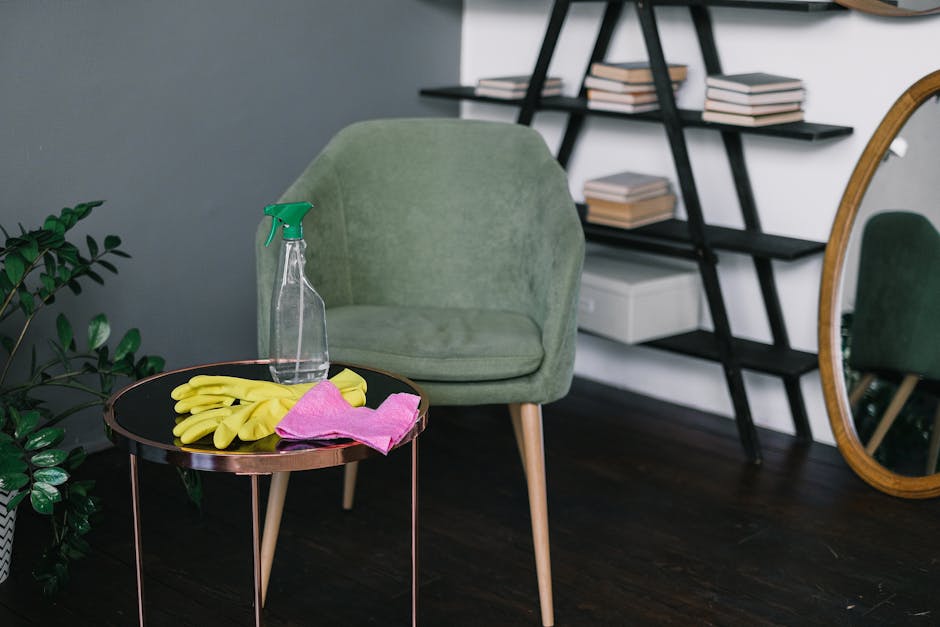
Chalk Farm flat deep cleaning guide for landlords

Landlords in Chalk Farm know the feeling: a tenancy ends, the flat looks tidy at first glance, then you notice the details that matter. The skirting boards carry a fine dust line, the kitchen extractor has a greasy film, and the bathroom has those stubborn marks that seem to appear from nowhere. This Chalk Farm flat deep cleaning guide for landlords is designed to help you get the property properly reset between tenancies, without wasting time on the wrong tasks.
Whether you manage one flat or a small portfolio, the goal is the same: present a clean, fresh, move-in-ready home that protects your asset and avoids awkward disputes. Below, you'll find a practical landlord-focused process, useful standards to keep in mind, and a realistic view of what deep cleaning should cover in a London rental property. Truth be told, it's often the small things that make the biggest difference.
Why Chalk Farm flat deep cleaning guide for landlords Matters
Deep cleaning is not just about making a property look nice for photos. For landlords, it is part of end-of-tenancy handover, asset protection, and tenant experience. In a busy area like Chalk Farm, where flats may turn over quickly and expectations can be high, a proper deep clean helps a property feel cared for rather than simply occupied.
A standard clean and a true deep clean are not the same thing. A standard clean usually keeps things presentable. A deep clean goes into the overlooked areas: behind appliances, inside cupboards, around taps, along edges, on fittings, and in the awkward corners that tenants rarely touch. If a property has been lived in for twelve months or more, that buildup can be surprisingly noticeable.
For landlords, the practical reason matters too. A cleaner flat is easier to market, easier to inspect, and less likely to trigger immediate complaints from incoming tenants. If carpets are dull, grout is dark, or bathroom limescale is obvious, people mentally downgrade the whole property. Harsh, maybe. Real? Absolutely.
There's also a reputational point. Good landlords are often judged on the handover experience. A fresh, properly cleaned flat gives the impression that maintenance matters. That can reduce friction, support tenant satisfaction, and help set the tone for the next tenancy.
If the property includes carpets, upholstery, or hard flooring, it may make sense to combine the main clean with services such as deep cleaning, carpet cleaning, or hard floor cleaning so the finish is consistent across the flat.
How Chalk Farm flat deep cleaning guide for landlords Works
Landlord deep cleaning works best when it is treated like a sequence, not a random list of chores. The order matters. Start high, then work down. Start dry, then move to wet. And always leave the most delicate or easily re-soiled areas until the end. Nothing fancy. Just sensible.
A typical process for a rented flat in Chalk Farm will usually begin with a walkthrough. You identify the condition of each room, note damage versus dirt, and decide what needs specialist attention. That might include oven cleaning, mattress or sofa work, limescale removal, or stain treatment on carpets. If there has been any refurbishment or repair work, an added layer of dust may mean the job is closer to one-off cleaning than routine domestic cleaning.
From there, the cleaner normally focuses on:
- kitchen degreasing and appliance detailing
- bathroom descaling and sanitising
- dust removal from ledges, fixtures, sockets, and skirting
- interior cupboard and drawer cleaning
- floor care for carpets, vinyl, tile, or wood
- window and glass cleaning
- spot treatment for marks, spills, and scuffs
It sounds straightforward, but the difference between a rushed clean and a proper one is often 30 minutes spent in the wrong place. For example, polishing visible surfaces before handling dusty shelves is a classic back-to-front mistake. The dust just falls back down. Very annoying, very avoidable.
Many landlords also pair this with end of tenancy cleaning, which is a useful way to align the flat with move-out expectations. If tenants are vacating under a formal inspection timeline, the job should be planned around access, utilities, and any check-out report requirements.
Key Benefits and Practical Advantages
There are several reasons why a landlord-focused deep clean is worth doing properly, especially in a competitive rental market.
- Better first impression: A clean flat photographs better and feels more welcoming at viewings.
- Fewer disputes: If cleaning is thorough, it is easier to separate fair wear and tear from poor tenancy housekeeping.
- Longer life for fittings: Regular removal of grease, dust, and limescale helps protect surfaces and appliances.
- Faster re-let potential: A well-presented flat can be marketed sooner after move-out.
- More consistent standards: Using the same process each time makes property management less chaotic.
There is also a quieter benefit that landlords often notice only after a few tenancies: cleaner properties are easier to inspect. You can spot damage, leaks, or maintenance issues more quickly when grime is not hiding everything. That saves time later. Sometimes a lot of time.
A deep clean can also support other services. If the flat includes soft furnishings or a rug that has absorbed years of living-room traffic, linking the reset with sofa cleaning or rug cleaning can make the space feel genuinely refreshed rather than half-finished.
Expert summary: the best landlord deep cleans do three things well: remove hidden dirt, restore a neutral presentation, and make the next inspection easier than the last one. Simple, but powerful.
Who This Is For and When It Makes Sense
This guide is for landlords, letting agents, property managers, and private owners with flats in Chalk Farm or nearby parts of north-west London. It is especially useful if you are dealing with:
- a tenancy ending and a new tenant moving in shortly after
- a property that has not been deeply cleaned for months
- noticeable smells from cooking, pets, or damp
- high-traffic carpets or tired bathroom fittings
- check-out expectations from a letting agent or inventory clerk
It can also make sense after repairs, decoration work, or a long vacancy. A flat that has stood empty often collects a strange mixture of dust, stale air, and fine debris. The place can look clean from the doorway and still feel off when you walk through it. You know it when you smell it, really.
If the property has recently had work done, you may need more than a normal handover clean. In that case, an after builders cleaning service can be a better fit because construction dust gets into places ordinary cleaning misses.
Landlords with multiple flats may also want a repeatable system for other properties. A deeper annual or seasonal reset can sit alongside domestic cleaning or periodic maintenance cleans, depending on the property's condition and occupancy pattern.
Step-by-Step Guidance
Here is a practical room-by-room approach you can use or hand to a cleaning team.
- Inspect the flat first. Walk each room and note problem areas: heavy limescale, stains, grease, mould-like spotting, odours, chipped paint, or damaged seals. Separate cleaning issues from repair issues.
- Declutter and remove leftover items. If tenants have left personal belongings, rubbish, or bulky clutter behind, get that out before cleaning begins. Sometimes a house clearance style removal is needed for larger left-behind items.
- Dust top to bottom. Clean ceiling corners, light fittings, shelves, picture rails, and tops of cupboards before touching lower surfaces.
- Work the kitchen thoroughly. Degrease splashback areas, wipe cupboards inside and out, clean sinks, handles, extractor hoods, and appliance fronts. Ovens need special attention; that is usually where the story gets ugly.
- Deep clean bathrooms. Remove limescale, clean grout lines, wipe taps and tiles, polish glass, and sanitise contact points such as flush handles and switches.
- Detail living spaces and bedrooms. Clean skirting boards, doors, radiators, window frames, and wardrobes. Freshen up carpets or upholstery if needed.
- Treat floors properly. Vacuum carpets slowly, clean hard floors with the right product, and avoid soaking timber or laminate.
- Finish with glass and touch points. Windows, mirrors, handles, switches, and bannisters should be wiped last so they stay crisp for handover.
- Check the flat in daylight. If possible, inspect again by natural light or bright lamp light. Half the missed marks in a rental are easiest to spot near a window.
For kitchens especially, specialist attention can make a big difference. If the oven is part of the handover problem, consider a dedicated oven cleaning service rather than trying to scrub it blindly with supermarket foam and hope.
And if windows are streaky or frames have gathered city dust from an open window above a busy road, window cleaning can help the flat feel brighter immediately.
Expert Tips for Better Results
Landlord deep cleaning becomes much easier when you follow a few practical habits.
- Use the right sequence. Dust first, wet clean second, detail last. It cuts rework.
- Check hidden edges. Around toilets, behind taps, under sinks, and along appliance seals is where hidden dirt lives.
- Don't forget odour sources. Bin cupboards, fridge seals, pet areas, and soft furnishings can keep a flat smelling stale even when it looks clean.
- Use neutral products where possible. Strong scents can mask poor cleaning. A fresh, low-odour finish is usually better for tenant handover.
- Take before-and-after photos. It helps with records, especially if there is any dispute about condition.
If the flat has fabric furniture, carpets, or a hallway runner, a combined approach often works best. A good cleaning team may recommend upholstery cleaning for chairs or headboards, plus carpets cleaner support for high-traffic areas that need more than a vacuum. Not glamorous, I know, but it makes a real difference.
A small tip from experience: don't leave the kitchen until the very end if it is heavily soiled. Once grease has softened with the right products, you want to keep momentum going. If you stop and start too much, the job stretches out and everyone gets grumpy.
Common Mistakes to Avoid
Some cleaning mistakes keep showing up in rental flats, and they are usually easy to prevent.
- Cleaning around clutter instead of removing it. That wastes time and leaves missed spots.
- Using the wrong product on the wrong surface. Harsh chemicals can damage stone, laminate, wood, or sealed finishes.
- Ignoring appliances. A sparkling lounge means very little if the oven or fridge is still grim.
- Not checking seals and grout. These areas make a flat look older than it is.
- Forgetting to inspect after cleaning. The job is only finished when you have looked at it properly.
Another common issue is assuming the tenant's level of cleanliness matters less than the landlord's. In reality, the property has to be handed over in a condition that is fair, consistent, and workable for the next occupant. You do not need to over-police every speck, but you do need a reliable baseline.
And yes, carpets can be deceptive. They look fine until the afternoon light hits them and suddenly every footpath appears. A quiet little betrayal.
Tools, Resources and Recommendations
If you are handling the clean yourself, the right kit matters almost as much as the effort. A proper landlord deep clean normally benefits from:
- microfibre cloths and mop heads
- vacuum cleaner with attachments
- non-abrasive sponges
- degreaser suitable for kitchens
- limescale remover for bathroom fittings
- glass cleaner or streak-free solution
- bucket, mop, and spray bottles
- rubber gloves and, where needed, basic protective gear
If the flat includes carpets, a dedicated carpet cleaner may be more effective than an all-purpose machine, especially if there are stains or compacted dirt in the traffic lanes. For hard floors, use a method suited to the material rather than one universal product. That sounds obvious, but it is where many people go wrong.
For landlords who prefer to outsource, choose a company that understands rental turnaround, not just general housework. A reliable cleaning company should be able to discuss condition, access, timing, and any specialist add-ons without sounding vague. If you want more of a recurring support model, options like cleaners or home cleaners may suit lighter maintenance, but a true deep clean needs more scope.
When planning budgets, it can help to review pricing and quotes carefully so you understand what is included. A low headline price is not very helpful if the oven, windows, and flooring are all billed separately later. Been there, and it gets messy quickly.
Law, Compliance, Standards, or Best Practice
For landlords, cleaning sits alongside broader duties around safety, habitability, and proper property management. This article is not legal advice, but a few practical points are worth keeping in mind.
First, the condition of the flat at handover should be documented. Inventory reports, check-in and check-out notes, and photos are useful because they help distinguish wear and tear from cleaning or damage issues. That is standard good practice in the UK rental sector, even when there is no dispute.
Second, use caution with strong chemicals, electrical appliances, and slips. Wet floors, unplugged appliances, and poorly ventilated rooms can create avoidable hazards. If a service provider is on site, it is sensible to check their health and safety policy and insurance and safety approach before work starts.
Third, if you manage tenant data, access details, or payment information as part of the service booking process, it is reasonable to review privacy and security terms too. Small admin things, but they matter. You can also look at a provider's privacy policy and payment and security information for reassurance.
Finally, if the clean is part of a broader contractor relationship, standard terms and complaint processes matter. A clear terms and conditions page and a visible complaints procedure are reassuring signs that the business is organised and accountable.
Options, Methods, or Comparison Table
Landlords usually choose between doing the work in-house, booking a one-off specialist clean, or combining both. The best option depends on condition, timing, and the level of finish you need.
| Approach | Best for | Pros | Watch-outs |
|---|---|---|---|
| DIY landlord clean | Light-to-moderate reset | Lower cost, full control | Time-consuming, easy to miss detail |
| Specialist deep clean | End of tenancy or heavily used flats | More thorough, faster turnaround | Needs clear scope and access |
| Combined approach | Flats with mixed issues | Flexible, targeted spend | Requires good coordination |
In practice, many landlords in Chalk Farm do best with a combined approach. They handle the simple bits early, then bring in specialists for carpets, ovens, bathroom scale, or final detailing. That way, money is spent where it matters most.
If the property is furnished, the presence of a worn sofa or stained rug can tilt the decision toward specialist help. The same goes for a compact flat where smells and dust seem to cling to every surface. A single effort can reset the whole place more effectively than three half-efforts. Which, let's be honest, is often the real choice.
Case Study or Real-World Example
Here's a realistic landlord scenario. A one-bedroom Chalk Farm flat is vacated after a long tenancy. The tenant left the property mostly tidy, but the kitchen has grease around the hob, the bathroom has limescale on taps and glass, and the bedroom carpet shows a clear traffic path from the bed to the door.
A quick surface clean makes the place look acceptable for a moment. But once daylight comes through the window, the room still feels tired. The landlord decides to treat it as a proper deep clean rather than a cosmetic reset. The kitchen is degreased, the bathroom is descaled, the carpet is treated, and the windows are cleaned so the room feels brighter. The difference is not dramatic in a flashy way. It is more subtle than that. But it changes how the flat feels the second you walk in.
That matters because tenants rarely remember one perfect tap. They remember the overall impression: fresh air, clean corners, no stale smell, and a sense that the property has been looked after. In a market like Chalk Farm, where first impressions count, that emotional cue is powerful.
For a more complete refresh, landlords sometimes add oven cleaner support for stubborn appliances or house cleaning help if the flat has multiple rooms needing a coordinated reset. It saves hassle, and frankly, it's less soul-destroying than spending your Saturday on limescale.
Practical Checklist
Use this checklist before handing over the flat or booking a cleaning team.
- Remove all tenant belongings and rubbish
- Photograph the property before cleaning starts
- Inspect for damage, mould, leaks, or repair issues
- Clear the kitchen, fridge, and cupboards
- Clean inside and outside appliances
- Descale taps, shower screens, and bathroom fittings
- Dust skirting boards, ledges, and light fixtures
- Vacuum and treat carpets where needed
- Clean hard floors with the right product
- Wash windows, mirrors, and glass surfaces
- Check odours in bins, sinks, and soft furnishings
- Reinspect in good light before sign-off
Quick takeaway: If you can see the property through a tenant's eyes, you'll usually spot the weak points faster. That little mindset shift helps more than people expect.
Conclusion
A landlord deep clean in Chalk Farm is really about confidence. Confidence that the flat is presentable, fair to hand over, and ready for the next chapter. It is also about protecting the property from slow, avoidable wear caused by grease, dust, limescale, and neglected corners.
The most effective approach is usually straightforward: inspect carefully, clean in the right order, use specialist help where it adds value, and document the result. No drama. No gimmicks. Just a good reset done properly.
If you are preparing a flat for new tenants, or trying to bring a tired rental back to standard, a structured deep clean will save headaches later. And once the place feels fresh again, you will notice the difference straight away. The air changes. The light changes. The whole flat settles.
Get a free quote today and see how much you can save.
Frequently Asked Questions
What does a landlord deep clean usually include?
It normally includes kitchen degreasing, bathroom descaling, dust removal from hidden areas, floor cleaning, window cleaning, and attention to appliances, skirting boards, and touch points. If the property is furnished, upholstery and carpets may also need specialist cleaning.
How is a deep clean different from a normal clean?
A normal clean keeps a property tidy and presentable. A deep clean goes further by targeting built-up grime, hidden dust, limescale, greasy fittings, and areas that are not cleaned every week. For rental turnover, that extra detail matters a lot.
Should landlords clean the flat themselves or hire professionals?
It depends on time, condition, and the result you need. A DIY clean can work for light jobs, but a professional deep clean is usually better for end-of-tenancy handovers, furnished flats, or properties with carpets, ovens, or bathroom build-up.
How often should a rental flat in Chalk Farm be deep cleaned?
Most landlords arrange a deep clean at the end of each tenancy. Some also schedule periodic refreshes between long tenancies or after repairs. If the property stays occupied for a long time, a maintenance clean plus occasional specialist work can help.
Do carpets need special treatment during a landlord deep clean?
Yes, often they do. Carpets trap dust, odours, and traffic marks, especially in hallways and living rooms. A proper vacuum is useful, but stains or dull patches may need specialist carpet cleaning for the best result.
What about ovens and kitchen appliances?
Ovens are one of the most common problem areas in rental properties. If there is baked-on grease, burnt residue, or strong odour, a dedicated oven clean is usually worth it rather than relying on general kitchen wiping alone.
Can a deep clean help with tenant disputes?
It can help reduce them. Good cleaning, clear photos, and proper handover records make it easier to show the flat's condition at check-in and check-out. That does not remove every dispute, of course, but it makes things much clearer.
Is window cleaning necessary for a flat handover?
Often, yes. Clean windows can brighten a flat immediately and make the whole place feel better maintained. It is especially noticeable in smaller London flats where natural light has a big impact on first impressions.
What if the flat has a strong smell after tenants leave?
Focus on the source rather than masking it. Bins, fridge seals, soft furnishings, carpets, and drains are common culprits. Ventilation, deep cleaning, and specialist fabric or carpet treatment may be needed depending on the cause.
How can landlords tell if a cleaning quote is fair?
Look at what is included, not just the headline price. A fair quote should explain room coverage, appliance cleaning, floors, and any extras such as carpets or upholstery. If you want to compare options properly, review the provider's pricing and quotes information before booking.
What should I check before the cleaning team arrives?
Make sure the flat is empty, accessible, and ready for work. Remove valuables and leftover belongings, identify any repairs, and give clear instructions about priority areas. A short walkthrough at the start can save a lot of back-and-forth later.
Who should I contact if I need support beyond cleaning?
If you need to discuss booking details, access, or service scope, it is sensible to use the provider's contact route. For broader information about the business and its approach, you can also review the about us page before deciding.