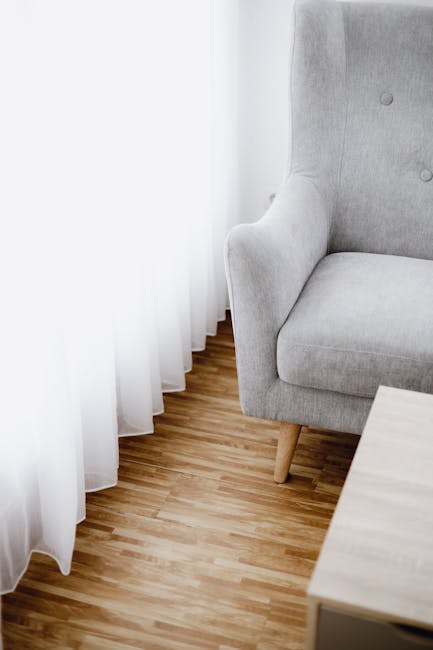
Primrose Hill upholstery cleaning tips for local homes
If you live in Primrose Hill, you probably know the feeling: a beautifully kept home can still take a beating from everyday life. A mug of tea spills on the arm of the sofa. Mud gets onto a dining chair after a damp London walk. Pet hair settles into the fabric before you even notice it. That is exactly why Primrose Hill upholstery cleaning tips for local homes matter. Done well, upholstery care helps your furniture look better for longer, feel fresher, and stay more comfortable to live with.
This guide is designed for local homeowners, renters, and anyone looking after soft furnishings in a busy North London household. You will find practical cleaning advice, simple decision points, common mistakes to avoid, and realistic guidance on when it makes sense to call in a professional upholstery cleaning service. Nothing fluffy. Just the kind of advice that helps you protect good furniture without making a mess of it. Let's face it, nobody wants to scrub a velvet chair and end up with a patch that looks worse than the stain.
One small note before we begin: every fabric behaves differently. What works on a sturdy woven armchair may be a terrible idea on silk, chenille, or a delicate antique piece. So use these tips with a bit of judgement. A careful approach always beats a rushed one.
Table of Contents
- Why Primrose Hill upholstery cleaning tips for local homes Matters
- How Primrose Hill upholstery cleaning tips for local homes Works
- Key Benefits and Practical Advantages
- Who This Is For and When It Makes Sense
- Step-by-Step Guidance
- Expert Tips for Better Results
- Common Mistakes to Avoid
- Tools, Resources and Recommendations
- Law, Compliance, Standards, or Best Practice
- Options, Methods, or Comparison Table
- Case Study or Real-World Example
- Practical Checklist
- Conclusion
- Frequently Asked Questions
Why Primrose Hill upholstery cleaning tips for local homes Matters
Upholstery does more than fill a room. It gets used every day, often hard. Sofas, dining chairs, footstools, headboards, and occasional chairs collect body oils, dust, crumbs, pet dander, pollen, and the odd accidental spill. In a place like Primrose Hill, where homes are often compact, stylish, and well lived-in, furniture tends to work extra hard because it is part of everyday family life and also part of the home's presentation.
That is the real reason local cleaning advice matters. Not every home needs the same routine. A bright flat near the hill, a period terrace, and a family home with children or pets will all need slightly different care. Add in London dust, rainy-day moisture, and the occasional takeaway dinner on the sofa, and the picture becomes pretty familiar.
Good upholstery care also supports the wider home. Clean fabric can make a room smell fresher, reduce visible wear, and keep a property feeling more inviting. If you are maintaining a home between deep cleans, this is one of the highest-value jobs you can do. It is not glamorous, sure, but it pays back quickly.
There is also a practical money side to it. When upholstery is maintained properly, it usually lasts longer before it needs reupholstering or replacement. That alone can make a regular cleaning routine worth the effort.
How Primrose Hill upholstery cleaning tips for local homes Works
At its simplest, upholstery cleaning is about four things: identifying the fabric, removing loose dirt, treating stains safely, and drying the item properly. Miss one of those steps and the result can be patchy, damp, or damaged. That is the part many people underestimate.
The first step is always fabric awareness. Some upholstery can tolerate water-based cleaning. Some cannot. Some need very little moisture at all. If you have a care label, check it first. If there is no label, assume caution. A gentle test in a hidden area is a sensible next move, not a sign of overthinking.
Then comes preparation. Vacuuming is not optional. It removes grit and dust before any damp cleaning starts, which helps prevent rubbing dirt deeper into the fibres. After that, spot treatment should be light and controlled. Blotting is usually better than scrubbing, because scrubbing can flatten fibres and spread the stain.
Finally, drying matters more than people think. In a London home, with average indoor airflow not always brilliant, fabric can stay damp for longer than expected. That can lead to musty smells or, in worse cases, mildew. Open windows where possible, use ventilation, and avoid sitting on the furniture until it is properly dry. Patience, annoying as it sounds, is part of the method.
Key Benefits and Practical Advantages
When upholstery is cleaned properly, the benefits go beyond appearance. You notice them in the room itself. It feels lighter. The fabric looks less tired. Colours seem more like themselves again.
- Better appearance: Lifts everyday dullness and reduces visible marks.
- Longer furniture life: Regular care helps slow down wear on fibres and seams.
- Improved hygiene: Removes dust, allergens, and everyday buildup.
- Odour control: Helps reduce lingering food, pet, and general household smells.
- More comfortable living space: Clean upholstery makes a room feel calmer and more looked after.
There is also a subtle but real benefit for busy homes: less stress. Once you know how to deal with a stain or when to stop and call for help, you make calmer decisions. No panicked elbow grease, no random products from the back of a cupboard, no dramatic damage. Well, fewer dramas anyway.
For local homes in Primrose Hill, this is especially useful if your furniture sits in a room that gets used for everything at once: working, eating, relaxing, and entertaining. The more a room works, the more sense it makes to keep the upholstery under control with a steady routine rather than waiting for a crisis.
Who This Is For and When It Makes Sense
This advice is for anyone looking after upholstered furniture in a home setting, but it is especially useful if you are:
- a homeowner trying to keep a sofa or dining set in good condition
- a tenant who wants to avoid marks, smells, or damage before moving out
- a parent dealing with frequent spills, sticky hands, and the occasional mystery stain
- a pet owner managing hair, odours, and the odd muddy paw print
- someone refreshing a property for guests, buyers, or a new season
It also makes sense if your furniture looks clean at first glance but does not feel as fresh as it used to. That in-between stage is common. The surface looks fine, yet the fabric has a slightly dull feel or a faint smell. You notice it more in the evening, when the room is quiet and the lamp light shows everything. That is usually the point where a deeper clean starts to matter.
Sometimes the question is not whether to clean, but how far to go. Light maintenance works for weekly care. A deeper clean may be appropriate after spills, after a renovation, after illness, or before special occasions. If your furniture is old, delicate, or heavily stained, a professional assessment may be the safer route. You do not need to be heroic about it.
For homes that already use domestic cleaning or occasional one-off cleaning, upholstery care fits neatly into the same household routine. And if your property needs a broader refresh, services like deep cleaning can be a sensible next step.
Step-by-Step Guidance
If you want a simple, safe approach, start here. This is the kind of sequence that works for most everyday upholstery jobs in local homes.
- Check the care label. Look for cleaning codes or manufacturer instructions. If the code is unclear, be conservative.
- Vacuum thoroughly. Use a soft brush attachment and get into seams, creases, and under cushions.
- Test in a hidden spot. Choose a low-visibility area and apply a tiny amount of your chosen cleaning solution.
- Blot spills, do not rub. Work from the outside of the stain inward to stop it spreading.
- Use minimal moisture. Too much liquid can damage fabric, backing, or padding.
- Rinse lightly if needed. Only if the product instructions allow it, and only with a barely damp cloth.
- Dry with airflow. Use open windows, fans, or gentle ventilation. Avoid heat blasts unless the care label says otherwise.
- Brush fibres back up. Once dry, a soft brush can restore the texture on suitable fabrics.
For a sofa or chair that has absorbed a spill, speed matters. The first few minutes count. If it is tea, wine, coffee, or juice, blot carefully and avoid smearing the stain across a wider area. If it is grease, dry absorbent material is often more useful than water at the start. Each stain has its own little personality, unfortunately.
For routine maintenance, a weekly vacuum is often enough. For homes with children, pets, or frequent guests, that may need to be more frequent. You will notice where the pressure points are: arm rests, seat fronts, cushion edges, and the spots everyone naturally sits in first.
Expert Tips for Better Results
Small changes make a big difference with upholstery. In our experience, the homes that keep furniture looking good are not the ones doing dramatic cleans every month. They are the ones doing little things consistently.
1. Treat fresh stains fast
Fresh stains are far easier to manage than dried ones. Keep a clean white cloth nearby if you can. White is useful because coloured cloths can transfer dye when they get damp. A bit old-fashioned maybe, but practical.
2. Match the method to the fabric
Cotton, linen blends, synthetic fabrics, velvet, suede-like finishes, and leather all need different handling. If you are not sure, do less, not more. A gentle method that takes longer is often safer than an aggressive one that leaves a mark.
3. Lift debris before cleaning
Vacuuming first is not just about looks. Dust and grit act like fine sandpaper when rubbed into fabric. Removing them first helps prevent wear.
4. Do not overwet seams and cushions
Water can travel deeper than expected. Seams, cushion piping, and stitched areas often hold moisture. That is where slow drying problems start.
5. Air quality matters
If you can, open windows for a short while while cleaning and drying. Fresh air helps a lot in London homes, especially after rainy days when indoor air can feel a bit trapped.
6. Keep an eye on recurring marks
If the same mark keeps appearing, the cause is probably not the cleaner. It may be an armrest habit, a food routine, or a cushion that needs rotating more often.
A small extra tip: take a quick photo of the care label before the label fades or gets lost. People laugh at that idea until the day they need it. Then it suddenly feels like genius.
Common Mistakes to Avoid
Most upholstery damage is not dramatic. It is accidental. A little too much product here, too much rubbing there, and suddenly the patch looks different under daylight.
- Scrubbing stains aggressively: This can spread the stain and roughen the fibres.
- Using random household cleaners: Bleach, strong sprays, and multi-surface cleaners can be risky on fabric.
- Overwetting upholstery: Excess moisture can cause rings, odours, or deeper damage.
- Skipping patch tests: This is where many avoidable problems begin.
- Forgetting to dry properly: Damp fabric left in a closed room is asking for trouble.
- Ignoring the cushion interiors: The outer fabric may look fine while the filling holds smell or moisture.
Another common one: trying to fix everything in one go. Truth be told, that is how people turn a small stain into a larger, more noticeable patch. If a stain does not lift cleanly with a careful first pass, stop and reassess. That is not failure. That is good judgement.
If furniture is antique, very delicate, or already showing age, DIY work can be a gamble. Better to be cautious than enthusiastic. Upholstery usually rewards restraint.
Tools, Resources and Recommendations
You do not need a cupboard full of specialist products to keep upholstery in decent shape. A small, sensible kit usually does the job.
| Tool or item | Why it helps | Best use |
|---|---|---|
| Vacuum with upholstery attachment | Removes dust, crumbs, hair, and grit | Weekly or before any wet cleaning |
| Soft brush | Lifts fibres and loosens surface dirt | Dry maintenance and finishing |
| Microfibre cloths | Good for blotting and light cleaning | Spills and spot treatment |
| Plain white towels | Useful for safe blotting | Fresh spills and drying |
| Mild upholstery-safe cleaner | Targets stains without being overly harsh | Fabric-appropriate spot cleaning |
| Fan or open-window airflow | Helps prevent lingering dampness | Drying after cleaning |
If you are unsure which product to use, err on the mild side. The right cleaner is the one that suits the fabric, not the one with the loudest label. Fancy packaging does not equal safer results. A simple, measured approach is usually better.
For households juggling several cleaning priorities, it can also help to look at related services such as sofa cleaning, rug cleaning, or a broader house cleaning visit when the whole home needs attention at once. If windows, floors, and fabric are all in play, a joined-up plan often feels easier.
Law, Compliance, Standards, or Best Practice
For homeowners, upholstery cleaning is usually a practical maintenance task rather than a regulated one, but there are still sensible best practices to follow. In the UK, safe use of cleaning products matters. That means reading labels, following dilution guidance, keeping chemicals away from children and pets, and avoiding product mixing unless instructions clearly allow it.
If you hire a professional, reasonable expectations include clear communication about fabric suitability, careful handling of furnishings, and attention to safety. A reputable company should be able to explain what method they intend to use, what kinds of fabric may need extra caution, and how long drying is likely to take. That sort of straight talk is reassuring, and it should be standard.
It is also sensible to think about insurance and care when furniture is expensive or difficult to replace. If a company is working around valuable items, good practice includes checking access, protecting surrounding surfaces, and planning the job carefully. If you want to understand how a provider approaches this side of the work, the site's insurance and safety information and health and safety policy are useful reference points.
And while sustainability is not the first thing most people think about with a sofa, it does matter. Using less water, choosing sensible products, and cleaning only when needed is simply a better habit. That fits well with the approach described on the company's recycling and sustainability page.
Options, Methods, or Comparison Table
There is no single best method for every piece of upholstery. The right choice depends on the fabric, the level of dirt, and how much risk you are willing to take. A quick comparison helps make that clearer.
| Method | Best for | Pros | Limitations |
|---|---|---|---|
| Vacuuming and dry brushing | Routine upkeep | Fast, safe, low risk | Will not remove deep stains |
| Light spot cleaning | Fresh spills and small marks | Targeted and cost-effective | Needs careful testing |
| DIY damp cleaning | Some synthetic and robust fabrics | Can refresh visible dirt | Risk of overwetting or rings |
| Professional upholstery cleaning | Delicate, valuable, or heavily used items | More controlled and thorough | Costs more than doing it yourself |
If the furniture is high-value, sentimental, or awkward to replace, professional cleaning often makes sense sooner rather than later. That is especially true if the item is a large family sofa that gets used morning to night. On the other hand, a routine vacuum and quick stain response may be all a tidy flat needs most of the time.
Sometimes people ask whether upholstery cleaning should happen before or after carpet care. There is no hard rule, but cleaning upholstered items before the rest of the room can reduce the chance of dirt from furniture dropping onto freshly cleaned floors. Practical, not fancy.
Case Study or Real-World Example
A fairly typical Primrose Hill scenario goes like this. A small family home has a light-coloured sofa in the sitting room, two dining chairs, and a footstool that has become the unofficial snack zone. Over time, the sofa looks a little flat and the arms feel slightly grimy, although nothing is obviously ruined. There is also a faint smell from everyday use, especially after the windows have stayed shut for a few rainy days.
The first move is a thorough vacuum, including under the cushions and down the seams. Then a gentle spot test on the back panel. The homeowner notices the fabric responds well, so they continue with light cleaning on the visibly affected areas, working slowly and blotting rather than rubbing. A fan is used for drying, and the cushions are rotated while they are off the sofa.
The result is not dramatic in the cinematic sense. No sparkling reveal. But the room feels cleaner, the sofa looks brighter, and the house smells fresher. That is often the real win. Not perfection. Just a home that feels looked after again.
In more complicated cases, especially where a sofa has old marks, pet odours, or uneven wear, a specialist visit can give a far better result than a DIY attempt. A trained cleaner can assess the fabric and use the right level of moisture and agitation. That can save a lot of regret. And, frankly, a lot of dabbed paper towels.
Practical Checklist
Use this quick checklist before you clean upholstered furniture at home:
- Check the care label or fabric instructions first
- Vacuum all surfaces, seams, and cushion gaps
- Test any cleaner in a hidden area
- Use the mildest suitable cleaning method
- Blot stains gently instead of scrubbing
- Avoid soaking the fabric or padding
- Allow enough drying time with good airflow
- Rotate cushions after cleaning if appropriate
- Stop if the fabric discolours, distorts, or smells odd
- Book a professional clean if the item is valuable, delicate, or heavily stained
Quick takeaway: the safest upholstery cleaning is usually the slow, careful kind. Gentle vacuuming, low moisture, proper drying, and a little patience will solve more problems than most people expect.
Conclusion
Primrose Hill upholstery cleaning tips for local homes are really about keeping everyday living under control without making furniture the victim of guesswork. The basics are simple: know the fabric, clean lightly, dry fully, and do not panic over every mark. Most stains respond best to a calm first response, not a frantic one.
For many homes, a regular maintenance routine is enough to keep sofas and chairs looking presentable. For others, especially busy households or homes with valuable fabrics, professional support can be the smarter move. Either way, the goal is the same: keep your home comfortable, fresh, and genuinely pleasant to live in. That counts for a lot, especially in a place where rooms often do double duty all day long.
If your upholstery is due for more than a quick tidy, or you simply want a cleaner, easier result without the guesswork, speak with a trusted local team and compare your options calmly. Get a free quote today and see how much you can save.
Sometimes the smallest care habits make the biggest difference, and a well-kept sofa can quietly improve the whole feel of a home.
Frequently Asked Questions
How often should upholstery be cleaned in a Primrose Hill home?
For most homes, regular vacuuming once a week and deeper cleaning as needed is a sensible rhythm. Busy family homes, pet households, or sofas used every day may need attention more often.
Can I use a steam cleaner on my sofa?
Sometimes, but not always. Steam can be too much for delicate fabrics, glued backing, or certain finishes. Always check the care label first and test carefully before using heat or moisture.
What is the safest way to remove a fresh stain from upholstery?
Blot immediately with a clean dry cloth, working from the outside inward. Avoid rubbing, because that pushes the stain deeper and can damage the fabric texture.
How do I know if my upholstery is safe to clean at home?
Look for the care label or cleaning code, if available. If the fabric is old, delicate, expensive, or the label is missing, a cautious approach is best and professional advice may be wiser.
Why does upholstery sometimes smell after cleaning?
Usually it means the fabric or padding has not dried fully, or the cleaning product has been overused. Good airflow and minimal moisture are key to avoiding that issue.
Is professional upholstery cleaning worth it for local homes?
It often is, especially for high-use sofas, valuable fabrics, or items with stubborn stains. A trained cleaner can usually assess the material more safely than a guess-and-hope DIY approach.
Can upholstery cleaning help with pet odours?
Yes, it can help reduce odours from hair, dander, and everyday use. For strong or repeated pet smells, though, deeper treatment may be needed because odour can sit inside cushions and padding.
Will cleaning change the colour of my furniture?
It should not, if the correct method is used. But colour loss or patchiness can happen if the wrong product is used or the fabric is over-wet. That is why patch testing matters.
Should I clean the cushions or the sofa frame first?
Start with vacuuming the whole piece, then focus on stained or high-contact areas. If cushions are removable, they often benefit from separate care, especially where crumbs and dust collect.
What should I do if I spill coffee or wine on upholstery?
Act quickly. Blot the spill, avoid rubbing, and test any cleaning solution before using it more widely. If the stain is large or the fabric is delicate, stop and consider professional help.
Can upholstery cleaning fit in with other home cleaning jobs?
Yes, very neatly. Many people handle upholstery alongside domestic cleaning, sofa cleaning, rug care, or broader house cleaning so the whole room feels refreshed at once.
How can I avoid damaging delicate fabrics?
Use the gentlest possible method, apply as little moisture as possible, and never skip the test patch. If the fabric is silk, velvet, antique, or unlabelled, caution beats enthusiasm every time.